


HISTORY OF A MIRROR
 A beautiful mirror can be one of the grandest pieces in a home. However, few people know where the true value of a mirror once lay. Today, we find value in the frames of our mirrors, but just 170 years ago, it was the mirror glass that was most precious.
England’s King Henry VIII and France’s, Francis I were both avid collectors of mirrors. If there were anything fit for a king to collect, it was the mirror. While we may take it for granted today, the mirror was once literally worth its weight in gold and only the most affluent could even hope to own even a very small example. A medium-sized Venetian mirror was comparable in price to that of a naval ship or an aristocrat’s country home! Some French nobles were even known to sell off their country estates just to purchase a single mirror.
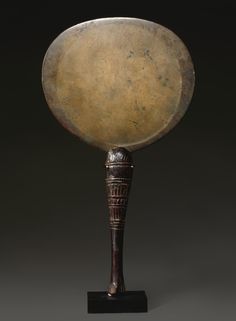
Mirror glass was a luxury during the latter 17th century, for it was in short supply and, at the time, only produced and exported from Italy. While our ancient ancestors fashioned mirrors from polished stones as early as 4000 B.C., it wasn’t until the 1st century that the Romans introduced a very rudimentary mirror made of glass. By the 14th century, the invention of glassblowing techniques in Europe refueled the interest in mirror production.
Glass blowing revolutionized the production of mirrors and by the 16th century, it was the Venetians who would turn their attention to mirrors, inventing a method for making a flat glass mirror. Anyone Venetian craftsman who dared breach that secrecy faced imprisonment and even execution.
Small mirrors were used throughout Europe to code and decode messages, a system devised by Leonardo DaVinci who wrote in mirror code. Even the scriptures were coded in mirror reflection. During the 30 years’ war, mirrors were used to create massive reflections that would blind the enemy on the opposing field.
In 1687 three Murano glassmakers were bribed and brought secretly to France where they exposed the Venetian’s mirror making secrets. The French went on to improve upon those techniques and soon invented a new method for casting glass in larger sheets. This new technique, though difficult and dangerous, allowed for much larger sheets of flat glass, and ushered in a new age of decorating with mirrors. Just a few years after this discovery, work began on the famed Hall of Mirrors in the Palace of Versaille. This magnificent room featured 306 massive mirrors…a feat never seen before in the history of mankind! Because of these mirrors, this room became the most famous interior in the world.
Cabinetmakers such as Thomas Chippendale and John Linnell imported French glass to satisfy the tastes of their wealthy English clientele. To be certain, mirrors continued to be incredibly costly, since their manufacturing proved as dangerous and delicate as ever. Some relief came in 1835 when a German invented a new method of backing sheets of glass with real silver, forever replacing the toxic mercury.
As techniques varied, so did the craft of framing mirrors. Because the mirror was so incredibly expensive, it only made sense to craft frames befitting this precious glass. Even the most magnificent frame would cost only a fraction of the cost of the actual mirror, so patrons commissioned extravagant frames crafted of every material imaginable. The frame makers were typically highly skilled artisans who specialized in crafting frames of incredible complexity and beauty. It is ironic that today, it is the frame where most of the value of a fine mirror lies.
Frames can be found in any number of materials, but the gilded frame was often a favorite choice for many reasons. Like the mirror itself, gold was very costly and precious, and so seemed only fitting to be used as the material to embellish the frame of a very expensive mirror. And, like the mirror, gold was highly reflective, furthering the mirror’s ability to reflect light in an interior.
In our modern age of mass production, it is easy to forget that the things we take for granted, such as the mirror, were once considered extremely precious. It may be true that the value of the actual glass has taken a back seat to the frame of a mirror, but a true collector or connoisseur will certainly appreciate both of their histories.
FEATURED PRODUCTS
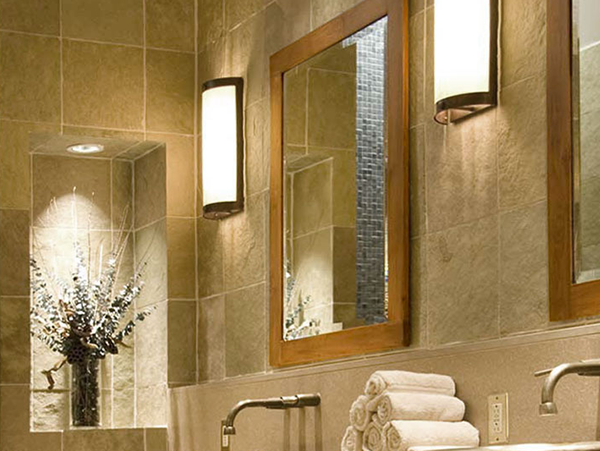

Atlanta Design Group is one of the largest manufacturers and distributors of framed mirrors in the US, providing full turnkey solutions for Builders, General Contractors, Property Managers, and Interior Designers. IEven if your project is out of state, we provide full turnkey delivery and installation.
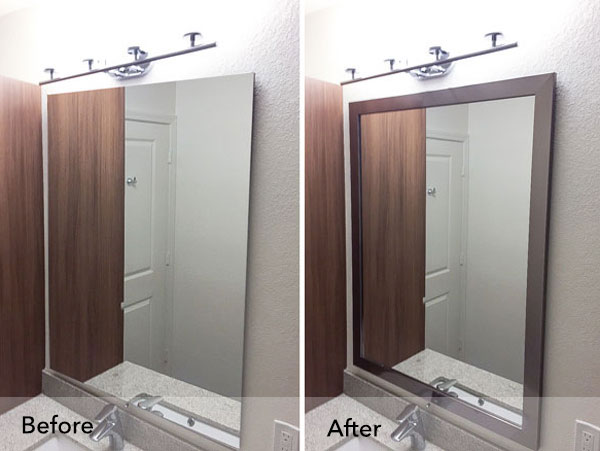

Transform Your Plain Mirror into an Elegant Focal Point!
Mirror Wraps™ Framed Solutions are easy to install, and they transform that large plain mirror in the bathroom into an elegant focal point. Each Mirror Wrap frame is custom-made to mount directly onto an existing mirror.
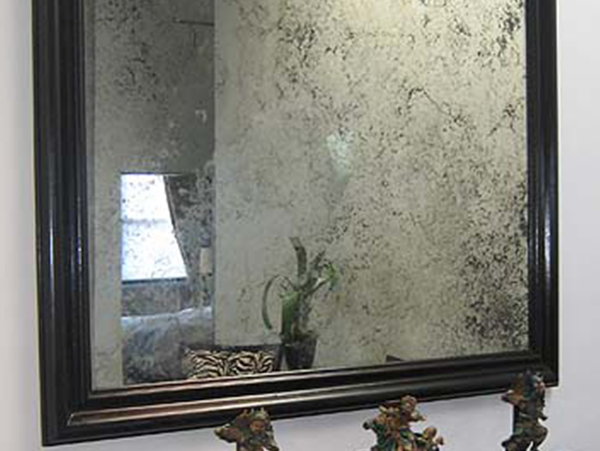

What was old is new again!
Vintage Accents antique mirrors are handcrafted using silvering techniques passed down for generations. Vintage Accents distinctive style is an ideal alternative to clear mirrors as each of the 14 available patterns offer a visual elegance of times past. Vintage Accents are designed for a variety of applications including judges’ panels, kitchen cabinets, ceiling tiles, or as a gorgeous framed mirror.
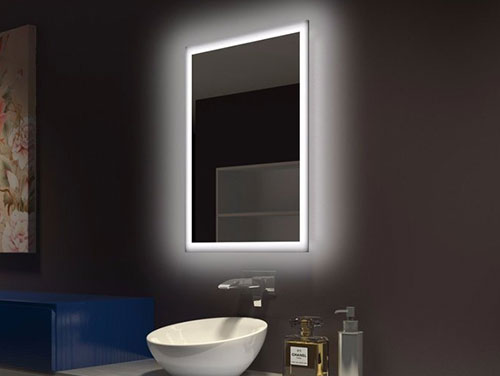
Illuminated Mirrors
• Perfect Lighting
• Maintenance Free
• Eco-Friendly
• UL, UL-C, Intl. Certification
• Available With TVs
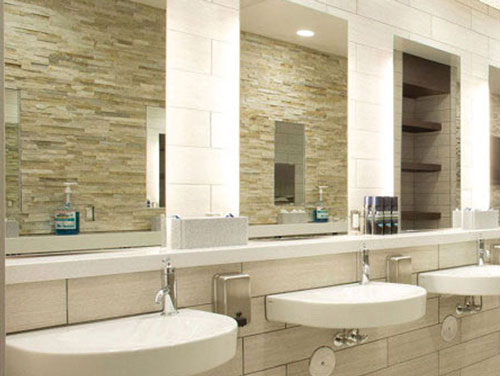
Backlit Mirrors
Our Backlit mirrors offer an atmosphere of peaceful bliss and ethereal light. Loved for its perpetually elegant design and beautiful ambient wall glow, this splendid centerpiece can transform any room into a calming oasis. These mirrors use a dimmable LED light that is energy efficient and lasts for years.
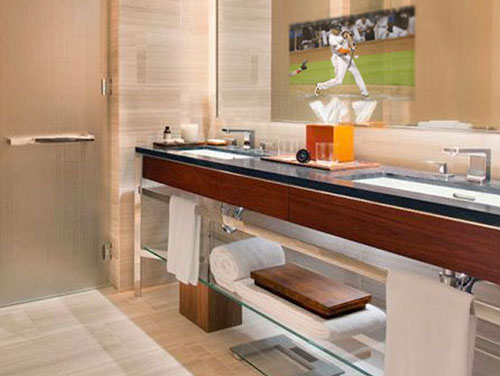
TV Mirrors
Introducing the Hidden Reflections TV Mirror, an ultra-thin vanishing television mirror that has the appearance of being an attractive natural mirror. When it is turned off, it shows only a mirror reflection. When the TV is activated, it transforms into a window to the world. The Hidden Reflections series combines two technologies making it possible to add a television where it never seemed possible before.